
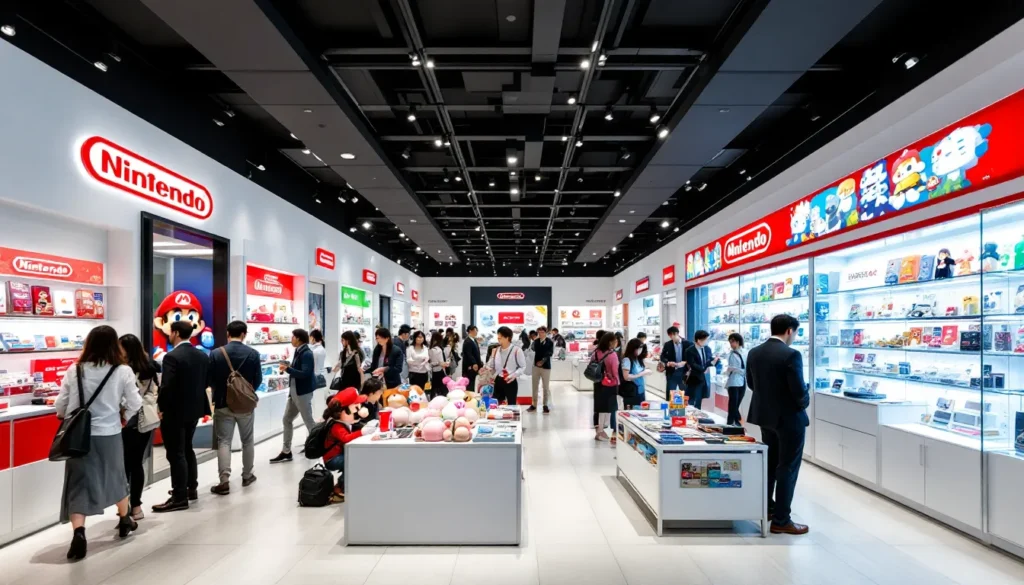
Walking into the Nintendo Store Tokyo isn’t just shopping, it’s stepping into a physical manifestation of Nintendo’s legacy. Tucked inside Shibuya PARCO, this flagship location has become a pilgrimage site for fans worldwide since opening in November 2019. Whether you’re hunting for Japan-exclusive merchandise, testing upcoming releases at demo stations, or snapping photos with life-sized Mario statues, this store delivers an experience that goes far beyond browsing shelves.
But here’s the reality: timing matters. Show up on a Saturday afternoon without a plan, and you’ll spend more time in line than actually exploring. The store’s compact layout and massive popularity mean strategy is essential. This guide breaks down everything from transit routes and store hours to the hidden gems worth your yen, plus insider tips to maximize your visit without wasting hours in crowds.
Key Takeaways
- Nintendo Store Tokyo is a flagship retail destination in Shibuya PARCO offering Japan-exclusive merchandise, interactive demo stations, and character photo opportunities that extend far beyond typical game retail.
- Visit Nintendo Store Tokyo on weekday mornings or after 6:00 PM to avoid crowds; weekend afternoons between 12:00 PM and 4:00 PM see wait times exceeding 30 minutes just to enter.
- Prioritize items marked with the Nintendo TOKYO Original logo, as these products are manufactured exclusively for the store and never restock once sold out, making them invaluable for collectors.
- Plan a realistic budget of ¥10,000–¥20,000 for a typical visit to cover multiple mid-tier items, and take advantage of tax-free shopping for purchases over ¥5,000 by bringing your passport.
- Combine your Nintendo Store Tokyo visit with other gaming experiences like Pokémon Center Mega Tokyo, Super Nintendo World at Universal Studios Japan, or Akihabara retro shops to maximize your Nintendo experiences in the region.
What Is the Nintendo Store Tokyo?
The Nintendo Store Tokyo (officially Nintendo TOKYO) is the company’s first official retail store in Japan. Unlike Nintendo’s New York and Osaka locations, this Shibuya shop was designed as the flagship, a showcase of everything Nintendo does right.
Spread across approximately 1,700 square feet on the 6th floor of Shibuya PARCO, the store stocks exclusive merchandise, limited-run collectibles, and the full catalog of current Nintendo hardware. It’s not just a retail space. Interactive zones let visitors try games before they buy, photo ops with franchise mascots create Instagram moments, and seasonal displays rotate to match major releases and holidays.
What separates this from a typical game retailer is the curation. Items here include Tokyo-exclusive designs you won’t find at any other Nintendo Store, including apparel, stationery, and character goods that never make it to international storefronts. The store also hosts occasional events, think tournaments, meet-and-greets with developers, and special product launches that draw lines around the block.
Location and How to Get There
Shibuya PARCO Location Details
Nintendo TOKYO occupies the 6th floor of Shibuya PARCO, a shopping complex at 15-1 Udagawacho, Shibuya City, Tokyo 150-8377. PARCO sits about five minutes northwest of Shibuya Station’s Hachiko Exit, making it extremely accessible for tourists already navigating the area.
The building itself is unmistakable, a modern glass-and-steel structure that stands out even in Shibuya’s chaotic skyline. Once inside, take the elevator or escalator to the 6th floor. Signage in English and Japanese guides you directly to the store entrance, which is usually marked by a crowd during peak hours.
Getting to the Store via Public Transportation
Shibuya Station is a major transit hub served by multiple lines: JR Yamanote Line, Tokyo Metro Ginza/Hanzomon/Fukutoshin Lines, Tokyu Denentoshi/Toyoko Lines, and Keio Inokashira Line. If you’re staying in central Tokyo, you’re rarely more than 20 minutes away.
From Shibuya Station’s Hachiko Exit, walk northwest toward Shibuya Center-gai (the main shopping street). You’ll pass the famous Shibuya Scramble Crossing, PARCO is about a five-minute walk uphill from there. Google Maps works reliably in Tokyo, but signage is plentiful if you prefer navigating old-school.
If you’re coming from Narita or Haneda airports, take the Narita Express or Airport Limousine Bus to Shibuya Station, then walk. Total travel time from Narita averages 90 minutes: Haneda is closer at about 45 minutes depending on traffic.
Store Hours and Best Times to Visit
Nintendo TOKYO operates daily from 10:00 AM to 9:00 PM, matching Shibuya PARCO’s general hours. These times hold for most of the year, though occasional holidays or special events may adjust the schedule. Always check the official Nintendo Store Japan website before planning a visit, Golden Week, New Year, and major product launches sometimes alter hours or require advance reservations.
The worst time to visit? Weekends between 12:00 PM and 4:00 PM. Saturday afternoons routinely see lines that snake through the 6th floor, with wait times exceeding 30 minutes just to enter. Families, tourists, and local fans converge during these windows, turning browsing into a contact sport.
For a calmer experience, aim for weekday mornings right at opening (10:00 AM) or early evenings after 6:00 PM on weekdays. Monday through Thursday mornings are ideal, you’ll have space to explore demo stations without elbowing through crowds, and checkout lines stay manageable. If weekends are your only option, arrive before doors open or wait until the final hour before closing.
Seasonal spikes also matter. New hardware launches (like a Switch successor or limited-edition console) create temporary chaos. The weeks surrounding major releases, Zelda, Splatoon, Pokémon, see increased foot traffic. Plan accordingly or embrace the hype.
What to Expect Inside the Nintendo Store Tokyo
Exclusive Merchandise and Limited-Edition Items
The store’s entire back wall showcases limited-edition merchandise that rotates monthly. Expect collaboration items (recent partnerships included Animal Crossing fashion lines and Splatoon 3 streetwear), seasonal goods (Christmas-themed plushies, hanami designs in spring), and Tokyo-exclusive releases that never reach international storefronts.
Key categories include apparel (T-shirts, hoodies, caps), home goods (mugs, towels, stationery), and character figurines. Popular franchises like Mario, Zelda, Pokémon, Splatoon, Animal Crossing, and Kirby dominate, but niche titles occasionally get spotlight treatment. Items tied to Japanese game announcements often appear here first, making the store a testing ground for Nintendo’s merchandising strategies.
One standout: the Nintendo TOKYO Original line. These products, marked with a special logo, are manufactured exclusively for this location. Think Tokyo Tower designs on Mario shirts, Shibuya-themed Splatoon tote bags, and region-locked art prints. Collectors hunt these aggressively because they never restock once sold out.
Interactive Gaming Zones and Demo Stations
Along the store’s perimeter sit multiple demo stations equipped with Nintendo Switch consoles running current titles. As of early 2026, expect playable builds of major releases from the past six months plus evergreen favorites like Mario Kart 8 Deluxe and Super Smash Bros. Ultimate.
These stations aren’t just for kids. Competitive players often test control schemes here, and many demos feature configurations unavailable in standard retail units, think Pro Controllers, special Joy-Con setups, or early access builds. Staff rotate games regularly, so what’s available changes week to week. If you’re torn between purchasing a title, this is your chance to get hands-on before committing yen.
The interactive zones also include photo backdrops with augmented reality features. Scan QR codes near displays to unlock AR filters featuring Mario, Link, or Pikachu that overlay on your smartphone camera. It’s gimmicky but surprisingly well-executed, especially for social media content.
Character Meet-and-Greets and Photo Opportunities
The centerpiece of the store is a life-sized Mario statue positioned near the entrance, perpetually mobbed by visitors taking photos. Nearby, rotating character displays feature figures from current releases, recent setups included Tears of the Kingdom Link dioramas and Pikmin 4 installations.
Occasionally, the store hosts live character meet-and-greets with mascots. These aren’t daily events: they’re tied to product launches or special occasions. Past appearances included Mario, Luigi, Isabelle (Animal Crossing), and Inkling (Splatoon). Check the official store Twitter account (@Nintendo_TOKYO) for announcements, as these events draw enormous crowds and sometimes require timed entry.
Photo ops extend beyond the main floor. The store’s window displays change seasonally and offer backdrops that echo whatever game Nintendo is currently pushing. During Splatoon 3‘s launch window, the entire storefront transformed into a neon-soaked Splatsville aesthetic with inkable walls and life-sized Salmonid props.
Must-Buy Products and Tokyo Exclusives
Japan-Only Nintendo Merchandise
If you’re visiting from outside Japan, prioritize items you literally cannot buy elsewhere. The Nintendo TOKYO Original merchandise line tops this list, every piece is manufactured exclusively for this store and never restocks once depleted. Recent standouts include:
- Shibuya-themed Splatoon tote bags (¥3,500): Features custom artwork blending Inkopolis aesthetics with Tokyo landmarks.
- Mario x Tokyo Tower collaboration shirts (¥4,200): Limited run celebrating Nintendo’s partnership with the iconic tower.
- Animal Crossing stationery sets (¥1,800): Seasonal designs that rotate quarterly, often tied to in-game events.
Another Japan-exclusive category: regional character variants. Nintendo produces merchandise for Japanese holidays and cultural events that make zero sense internationally. Think Kirby in traditional festival garb, Mario dressed for hanami (cherry blossom viewing), or Pokémon items tied to regional promotions that fans following Nintendo Switch news rarely see covered in Western media.
Apparel, Plushies, and Collectibles
Apparel pricing runs ¥3,000–¥6,000 for T-shirts and hoodies, with quality that justifies the cost. Fabrics feel premium, prints hold up through washing, and sizing accommodates Western builds (though always check the size chart, Japanese sizing skews smaller).
Plushies dominate a full wall display, ranging from palm-sized keychain versions (¥800) to massive collectibles (¥8,000+). Popular characters like Kirby, Yoshi, and Pikachu stay stocked, but limited-run plushies, especially those tied to game anniversaries or collaborations, sell out within days.
Collectibles span multiple price tiers:
- Keychains and pins: ¥600–¥1,500 (perfect for budget-conscious buyers)
- Artbooks and strategy guides: ¥2,500–¥5,000 (often Japan-exclusive content)
- Amiibo figures: ¥1,500–¥2,200 (same MSRP as other retailers, but occasional exclusives)
- High-end statues and replicas: ¥10,000+ (Master Sword replicas, detailed character busts)
One overlooked category: stationery. Japanese consumers love functional merch, and Nintendo delivers. Notebooks, pens, sticky notes, and desk organizers feature designs that balance aesthetic appeal with usability. Many of these items showcase artwork from anime game coverage that highlights Nintendo’s collaboration with Japanese illustrators.
Pro tip: Check clearance racks near the register. Seasonal items get discounted 30–50% once the promotional window closes, and these deals often include Tokyo-exclusive designs that still hold value for collectors.
Tips for Visiting the Nintendo Store Tokyo
Avoiding Crowds and Peak Times
Repeat the golden rule: weekday mornings or late evenings. If you’re visiting Tokyo as part of a broader itinerary, schedule Nintendo TOKYO for a Tuesday or Wednesday at 10:00 AM. You’ll skip lines entirely and have space to browse without bumping into other shoppers every three seconds.
Avoid the store entirely during:
- Product launch weeks: New console variants, major game releases, or limited-edition drops create chaos. The week Zelda: Tears of the Kingdom launched saw multi-hour waits just to enter.
- Japanese holidays: Golden Week (late April/early May), Obon (mid-August), and New Year periods flood the store with domestic tourists.
- Weekends after 11:00 AM: Families dominate, and strollers turn navigation into a puzzle game.
If you must visit during peak times, use the PARCO building’s other floors to kill time. Grab coffee at one of the cafes on floors 1–5, then circle back to Nintendo TOKYO once crowds thin.
Budget Planning and Price Ranges
Set a realistic budget before entering. The store’s layout is designed to maximize impulse purchases, every turn reveals new displays, and “exclusive” labels trigger FOMO hard.
Budget tiers for a typical visit:
- ¥5,000–¥10,000: Covers 2–3 small items (keychain, T-shirt, small plushie). Good for casual fans or those on tight budgets.
- ¥10,000–¥20,000: Lets you grab multiple mid-tier items (hoodie, medium plushie, artbook, collectible figure). Most visitors spend in this range.
- ¥20,000–¥50,000: Opens access to high-end collectibles, multiple apparel pieces, and full sets of merchandise. Serious collectors or gift-buyers land here.
- ¥50,000+: Reserved for completionists buying large-scale statues, full apparel lines, or stocking up on limited-edition items to resell/trade internationally.
The store accepts credit cards, IC cards (Suica, Pasmo), and cash. Tax-free shopping is available for tourists spending over ¥5,000, bring your passport and complete paperwork at the register to claim the exemption.
Shopping Strategies for Maximum Experience
First pass: walk the entire store without touching anything. Map out what you want, note prices, and identify limited-edition markers. This prevents impulsive grabs that blow your budget on items available elsewhere.
Second pass: prioritize Tokyo exclusives. If something carries the “Nintendo TOKYO Original” logo, grab it immediately if interested. These items never restock, and resale markets charge 2–3x retail once they’re gone.
Third pass: compare prices mentally. Some items, especially standard Amiibo or games, cost the same as other retailers. Save your budget for exclusives rather than padding your cart with merchandise available at any electronics store.
Don’t skip the clearance section near checkout. Staff rotate seasonal items onto discount racks monthly, and savvy shoppers score Tokyo-exclusive designs for a fraction of original cost.
If you’re shopping for friends or family back home, ask staff about shipping services. The store partners with international couriers for bulk purchases, though fees add up quickly. Alternatively, use nearby post offices to ship items yourself at lower rates.
Other Nintendo Experiences in Tokyo
Nintendo TOKYO isn’t the only game in town. Tokyo offers multiple Nintendo-centric destinations worth adding to your itinerary.
Nintendo Osaka opened in November 2022 inside the Daimaru Shinsaibashi department store. While smaller than the Tokyo location, it stocks similar merchandise with Osaka-exclusive variants. If your trip includes Kansai region exploration, it’s worth a visit, but don’t expect a radically different experience.
Super Nintendo World at Universal Studios Japan (Osaka, not Tokyo) remains the ultimate Nintendo theme park experience. The area features interactive rides, AR attractions, and themed dining that blow the store experience out of the water. It requires a separate admission ticket and often needs timed entry reservations during peak seasons.
In Tokyo proper, Pokémon Center Mega Tokyo (Ikebukuro) and Pokémon Center Shibuya offer dedicated Pokémon merchandise that eclipses what Nintendo TOKYO carries. These stores feature exclusive plushies, TCG products, and collaboration items unavailable at the Nintendo Store.
Akihabara retro game shops (Super Potato, Trader, Mandarake) provide a different angle, vintage Nintendo hardware, classic games, and rare collectibles from the Famicom/Super Famicom era. If you’re hunting for nostalgia rather than current merch, these spots deliver.
Finally, Tokyo Skytree’s Kirby Café offers themed dining with exclusive merchandise sold only to café customers. Reservations book out weeks in advance, but the experience is unique enough to justify planning ahead.
How the Tokyo Store Compares to Other Nintendo Stores Worldwide
Nintendo operates official stores in New York City (Rockefeller Center) and Osaka (Daimaru Shinsaibashi) alongside the Tokyo flagship. Here’s how they stack up.
Size and Layout: Nintendo TOKYO is mid-sized at 1,700 square feet, larger than Osaka’s compact space but smaller than New York’s sprawling two-floor setup. Tokyo compensates with denser product displays and more efficient use of vertical space.
Merchandise Exclusivity: Each location carries regional exclusives. Tokyo’s focus on Japanese cultural collaborations (festival themes, local landmarks) differs from New York’s emphasis on Western pop culture crossovers. Osaka splits the difference with Kansai-specific designs. If you’re a completionist, you’ll need to visit all three to access every exclusive line.
Interactive Elements: Tokyo edges ahead with more demo stations and better-maintained AR experiences. New York prioritizes scale over interactivity, while Osaka’s smaller footprint limits what they can install.
Crowd Management: Ironically, Nintendo NY handles crowds better even though higher foot traffic. The two-floor layout spreads visitors out, and the store’s location in Rockefeller Center means tourists expect lines. Tokyo’s compact space and Shibuya’s chaotic energy make crowd control trickier.
Pricing: Tokyo runs slightly cheaper for imported fans. Yen pricing tends to favor international visitors when exchange rates cooperate, and tax-free shopping sweetens the deal. New York lacks this advantage, and Osaka’s pricing mirrors Tokyo.
Atmosphere: Tokyo wins on sheer Nintendo-ness. The store’s placement in Shibuya, gaming culture’s epicenter, creates an energy that New York’s more touristy vibe can’t match. Walking into Nintendo TOKYO feels like entering Nintendo’s home turf, because you literally are.
Conclusion
Nintendo Store Tokyo isn’t just a retail stop, it’s a concentrated dose of Nintendo’s culture, merchandise strategy, and fan service packed into 1,700 square feet. The Tokyo-exclusive items alone justify the trip for serious collectors, and the interactive zones offer experiences you won’t replicate at standard game retailers.
Timing remains the biggest variable. Show up during a weekday morning, and you’ll browse comfortably with space to test demos and hunt clearance deals. Hit it on a Saturday afternoon, and you’re fighting crowds for every inch. Plan smart, prioritize exclusives, and set a realistic budget before stepping through that door.
Whether you’re in Tokyo for a week or just passing through Shibuya, carving out 60–90 minutes for Nintendo TOKYO pays off. Just remember: those “limited edition” tags aren’t marketing fluff. Once they’re gone, they’re gone.