
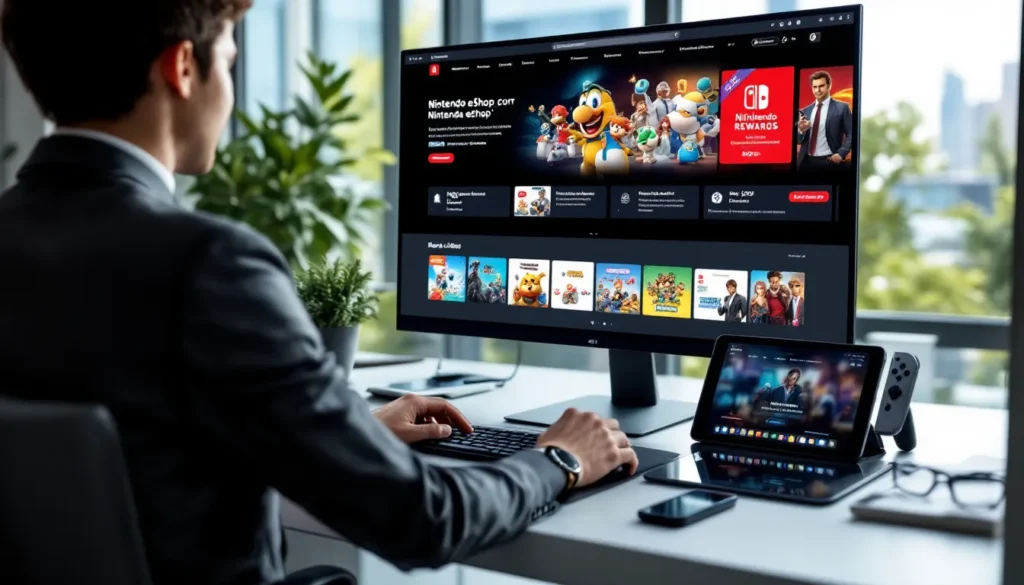
Nintendo’s digital storefront has evolved dramatically, but one thing hasn’t changed: gamers love saving money on their favorite titles. Whether you’re eyeing the latest Zelda expansion, stocking up on indie gems during a sale, or finally grabbing that Mario Kart 8 Deluxe DLC, promo codes can shave serious dollars off your eShop purchases. But finding legitimate codes, and knowing how to actually use them, can feel like navigating a maze of expired offers and sketchy third-party sites.
In 2026, Nintendo’s ecosystem includes everything from direct download codes to My Nintendo Rewards points, discount vouchers tied to Switch Online subscriptions, and seasonal promotions that pop up around major releases. The trick is knowing where to look, how to redeem what you find, and which sources you can actually trust. This guide breaks down the types of Nintendo promo codes currently available, walks through the redemption process step-by-step, and highlights the best strategies for stacking discounts without falling for scams.
Key Takeaways
- Nintendo promo codes are region-locked alphanumeric strings that unlock games, DLC, and discounts on the eShop, requiring careful verification of region compatibility before redemption.
- The My Nintendo Rewards program is the most consistent legitimate source of Nintendo promo codes, offering rotating discount vouchers and exclusive codes through Platinum Points earned via daily logins and missions.
- Stacking discounts—combining game vouchers, Gold Points, and My Nintendo code promotions during Black Friday or game launches—can reduce first-party game prices by up to 50%.
- Legitimate Nintendo promo codes come exclusively from official Nintendo channels, verified retailers like Amazon and Humble Bundle, and major retailers; avoid survey-based sites and unverified sellers offering suspiciously low prices.
- Redeem codes carefully on your Switch eShop or Nintendo website account, as common typos and region mismatches are the primary causes of failed redemptions, and always cross-reference expiration dates before purchasing third-party codes.
What Are Nintendo Promo Codes and How Do They Work?
Nintendo promo codes are alphanumeric strings that unlock digital content, discounts, or services on the Nintendo eShop. They function as digital keys: enter the right code, and you get access to a game, DLC pack, membership extension, or discount on a future purchase.
Unlike platform-agnostic coupon codes you might use on Amazon or Steam, Nintendo codes are tightly integrated into the company’s account and region systems. A code purchased or earned in North America won’t work on a European account, and codes are usually single-use with expiration dates that range from a few months to several years depending on the promotion.
Understanding Nintendo eShop vs. My Nintendo Rewards Codes
There’s an important distinction between eShop download codes and My Nintendo Rewards codes. eShop codes directly redeem for specific content, think a full game like Splatoon 3, a season pass, or a chunk of in-game currency. You enter these on your Switch or through the Nintendo website, and the content appears in your library immediately.
My Nintendo Rewards codes, on the other hand, grant Gold Points or Platinum Points that accumulate in your My Nintendo account. You then spend those points on rewards like discount vouchers (usually 10–15% off select titles) or exclusive digital items. Gold Points are earned by purchasing digital games or registering physical cartridges, while Platinum Points come from completing missions, logging in daily, or participating in Nintendo promotions.
Where Promo Codes Can Be Redeemed
All Nintendo promo codes are redeemed through two main channels: directly on your Nintendo Switch console via the eShop interface, or through the official Nintendo website account portal. Both methods link to the same Nintendo Account, so your redeemed content syncs across devices.
You can’t redeem Nintendo codes on a 3DS or Wii U anymore, those storefronts were sunset in 2023. Mobile apps like Mario Kart Tour or Fire Emblem Heroes use separate in-app purchase systems and don’t accept standard eShop promo codes, though some special promotions do offer cross-platform rewards tied to your Nintendo Account.
Where to Find Legitimate Nintendo Promo Codes
Hunting for promo codes can feel like a side quest with inconsistent drop rates, but there are reliable sources that consistently deliver.
Official Nintendo Sources and Promotions
Nintendo’s own channels are the safest bet. The My Nintendo Rewards program offers rotating discounts and exclusive codes for members. Logging in regularly and completing simple missions (like browsing the eShop or playing certain games) racks up Platinum Points you can convert into discount codes.
Nintendo also runs direct promotions tied to hardware launches, major game releases, or seasonal events. For example, purchasing a Switch OLED model during holiday bundles in late 2025 included a $10 eShop credit code printed on the receipt. Keep an eye on the official Nintendo News page and the @NintendoAmerica Twitter/X feed for announcements.
Retail Partners and Physical Game Purchases
Big-box retailers like Best Buy, Target, and Walmart occasionally bundle promo codes with physical game purchases or console bundles. Best Buy’s Gamers Club (discontinued but grandfathered for legacy members) used to offer regular code promotions, and similar deals now appear during Black Friday or back-to-school sales.
Physical game cases sometimes include bonus download codes for DLC or in-game currency. Pokémon Scarlet and Violet physical editions, for instance, included codes for exclusive in-game items, and many third-party titles like Mortal Kombat 1 bundled character unlock codes with day-one purchases.
Email Newsletters and My Nintendo Rewards Program
If you’ve opted into Nintendo’s email marketing, you’ll receive periodic newsletters with exclusive promo codes or early access to sales. These emails typically land a few days before major eShop sales go live, giving subscribers a head start on limited-quantity discount codes.
The My Nintendo Rewards program itself is a goldmine if you engage with it consistently. In 2026, Nintendo expanded the catalog to include more discount vouchers, 15% off codes for first-party titles rotate in every few weeks, and Platinum Point missions tied to new releases offer bonus codes as completion rewards.
Limited-Time Events and Game Bundles
Nintendo frequently partners with brands for cross-promotional codes. Fast-food chains like McDonald’s and snack brands like Totino’s have run “buy a product, get a code” campaigns in the past. In early 2026, a Totino’s promotion offered codes for 100 Gold Points per specially marked pizza box, which could be stacked for decent savings.
Digital storefronts like Humble Bundle and Fanatical occasionally sell Nintendo eShop credit at a discount or bundle Switch game codes with charity drives. These aren’t promo codes in the traditional sense, but they function the same way once you redeem them. Many gaming publications covering eShop sale trends highlight these bundle opportunities when they surface.
How to Redeem Nintendo Promo Codes Step-by-Step
Redeeming a code is straightforward, but a few common pitfalls can trip up first-timers.
Redeeming on Nintendo Switch Console
- Open the Nintendo eShop from your Switch home screen.
- Select your user profile icon in the top-right corner.
- Scroll down the left sidebar and choose “Redeem Code.”
- Enter the 16-character code carefully. Codes are case-insensitive, but dashes are auto-inserted, don’t type them manually.
- Confirm the redemption. If it’s a game or DLC, the download starts immediately. If it’s Gold Points or a discount voucher, check your account balance or My Nintendo Rewards section.
Double-check for typos. Mixing up an “O” and a “0” or an “I” and a “1” is the most common error. The code input screen doesn’t auto-correct, so one wrong character means a failed redemption.
Redeeming Through the Nintendo Website
If your Switch isn’t handy, you can redeem codes via browser:
- Log into your Nintendo Account at nintendo.com.
- Navigate to the “Redeem Code” option under your account settings or the eShop section.
- Enter the code in the provided field.
- Confirm. The content will appear in your download queue the next time you access the eShop on your Switch.
This method is handy if you’re purchasing codes on your phone or PC and want to queue downloads remotely. It also lets you redeem codes while your console is in sleep mode, so games are ready when you get home.
Troubleshooting Common Redemption Errors
“This code cannot be redeemed in your region” is the most frustrating error. Nintendo codes are region-locked. A code purchased in Japan won’t work on a U.S. account, and vice versa. If you bought a code from a third-party seller, verify the region matches your account before purchasing.
“This code has already been redeemed” means someone else used it, or you already applied it to your account. Check your transaction history in the eShop settings to confirm.
“This code is not currently available” usually indicates an expired code or one tied to a promotion that hasn’t started yet. Some codes have activation windows, especially pre-order bonuses that unlock after a game’s release date.
If you’re certain the code is valid and still getting errors, contact Nintendo Support with the code and proof of purchase. They can manually verify and credit your account if the code was legitimate but glitched.
Types of Nintendo Promo Codes Available in 2026
Not all codes are created equal. Understanding the different types helps you prioritize which promotions to chase.
Game Download Codes
These are full-game digital licenses. Retailers sell them as alternatives to physical cartridges, and they’re often discounted during sales. For example, Amazon frequently offers $5–$10 off digital download codes for first-party titles like Super Mario Bros. Wonder or Pikmin 4.
Download codes are also common in bundles. Purchasing a Switch Lite in early 2026 sometimes included a code for Animal Crossing: New Horizons as part of the package deal.
Nintendo Switch Online Membership Codes
Nintendo Switch Online and NSO + Expansion Pack memberships are sold as redeemable codes through retailers and Nintendo directly. Third-party sellers like CDKeys and Eneba often list these at 10–20% below Nintendo’s standard pricing.
Costco and Amazon Prime have run exclusive promotions bundling 12-month NSO codes with additional Gold Points or eShop credit. If you’re planning to subscribe long-term, stacking discounted codes during Black Friday can save $15–$25 annually.
In-Game Currency and DLC Codes
Games like Fortnite, Apex Legends, and Rocket League on Switch use in-game currency (V-Bucks, Apex Coins, Credits) that can be purchased via eShop or redeemed through promo codes. Nintendo occasionally partners with these publishers for bonus currency promotions.
DLC codes are bundled with physical game releases or sold separately. The Legend of Zelda: Tears of the Kingdom DLC packs (if released in 2026) would likely follow the Breath of the Wild model: purchasable via eShop or redeemable via a standalone code from retailers.
Gold Points and Discount Vouchers
Gold Points are Nintendo’s loyalty currency. Every digital purchase earns 5% back in Gold Points, which can be applied to future eShop purchases at a rate of roughly 1 cent per point. Physical game registrations earn 1% back.
Game Vouchers are a special type of code available exclusively to NSO members. For $99.98, you get two vouchers redeemable for any eligible first-party game (normally $59.99 each), effectively saving $20. These vouchers expire 12 months after purchase, so timing your redemption around major releases is key. Tech outlets frequently analyze gaming deal cycles to help readers maximize voucher value.
Maximizing Savings with My Nintendo Rewards
The My Nintendo Rewards program is often underutilized, but it’s one of the most consistent sources of nintendo discount code opportunities.
Earning Gold and Platinum Points
Gold Points are earned two ways:
- Digital purchases: 5% of the purchase price (e.g., a $60 game = 300 Gold Points).
- Physical game registration: Register a new physical cartridge within one year of release to earn 1% back (60 Gold Points for a $60 game).
Gold Points expire 12 months after they’re earned, so use them or lose them. Set a calendar reminder to check your balance quarterly.
Platinum Points come from:
- Logging into the My Nintendo website or app.
- Completing weekly missions (browsing the eShop, playing specific games, linking your Nintendo Account to mobile apps).
- Participating in special promotions like surveys or Nintendo Directs.
Platinum Points don’t have cash value, but they unlock exclusive rewards like discount codes, digital wallpapers, and in-game items.
Converting Points into Discounts and Rewards
The My Nintendo Rewards catalog rotates monthly. In 2026, typical offerings include:
- 15% discount codes for select first-party titles (usually 1,000–1,500 Platinum Points).
- $5–$10 eShop credit (rare, but appears during major promotions for 3,000+ Platinum Points).
- DLC or in-game item codes for games like Splatoon 3, Mario Kart 8 Deluxe, or Animal Crossing: New Horizons.
Gold Points convert directly to eShop credit at checkout, 100 Gold Points = $1. If you’ve accumulated 1,200 Gold Points, you can knock $12 off your next purchase instantly.
The best strategy is to stack Platinum Point discount codes with Gold Point balances during major sales. For example, using a 15% discount code on a $60 game already on sale for $45 brings it down to $38.25, then apply Gold Points to drop it further.
Best Practices for Finding Deals and Avoiding Scams
The internet is littered with expired codes, phishing schemes, and region-locked duds. Here’s how to stay safe.
Identifying Fake or Expired Promo Codes
If a site promises “unlimited free eShop codes” or requires you to complete surveys before revealing a code, it’s a scam. Legitimate codes are distributed through official channels or verified retailers, they’re never hidden behind survey walls or sketchy download links.
Check the expiration date before purchasing or redeeming a code. Third-party marketplaces like eBay sometimes list codes that expired months ago. Sellers are required to disclose this, but not all do. If the listing doesn’t mention an expiration date, ask before buying.
Websites aggregating promo codes (like RetailMeNot or Honey) occasionally list expired Nintendo promotions. Cross-reference any code you find with Nintendo’s official news page or trusted gaming outlets before attempting redemption.
Safe Third-Party Retailers to Consider
Stick to established digital key sellers with buyer protection:
- Amazon (direct from Amazon, not third-party marketplace sellers).
- Humble Bundle (supports charity, codes are always legitimate).
- CDKeys and Eneba (reputable, but verify region before purchase).
- GameStop and Best Buy (physical and digital codes, often run loyalty promotions).
Avoid sellers on Reddit, Discord, or unverified eBay accounts offering codes at suspiciously low prices. If a $60 game code is listed for $20 with no explanation, it’s likely stolen, region-locked, or already redeemed.
Regional Restrictions and Code Compatibility
Nintendo codes are region-specific. A North American code won’t work on a European or Japanese account, even if you own a physical Switch console purchased in a different region. Your Nintendo Account’s country setting determines which codes you can redeem.
If you frequently import games or purchase codes from international sellers, consider creating a secondary Nintendo Account set to that region. You can have multiple accounts on one Switch console and share digital games across profiles via the primary console designation.
Physical game cartridges are region-free and play on any Switch, but DLC codes are region-locked to match the game’s region. If you bought a Japanese Splatoon 3 cartridge, you’ll need Japanese region DLC codes, North American codes won’t work. Many guides on gaming hardware compatibility break down these nuances for importers.
Seasonal and Event-Based Nintendo Promotions
Nintendo’s promotional calendar follows predictable patterns, making it easier to plan your purchases.
Holiday Sales and Black Friday Deals
Black Friday (late November) and Cyber Monday consistently deliver the year’s deepest discounts. In 2025, first-party titles like Mario Kart 8 Deluxe and The Legend of Zelda: Breath of the Wild dropped to $39.99, and third-party games hit 50–75% off.
Retailers bundle promo codes with hardware purchases during this window. Best Buy’s 2025 Black Friday deal included a $50 eShop credit code with every Switch OLED purchase, effectively discounting the console by combining the credit with the sale price.
Holiday sales run from mid-December through early January. Nintendo typically offers “12 Days of Deals” promotions with rotating daily discounts and exclusive codes for My Nintendo members. These codes are time-sensitive, usually valid for 48–72 hours, so checking daily is essential.
Game Launch Promotions and Pre-Order Bonuses
Pre-ordering first-party titles through the eShop often includes bonus Gold Points (up to double the standard 5%) or exclusive DLC codes. Metroid Prime 4 (expected mid-2026) will likely follow this model, offering early adopters bonus content or a themed icon set.
Physical pre-orders from retailers like GameStop or Amazon include retailer-specific bonus codes. Pokémon releases are notorious for this, different stores offer unique in-game item codes, leading to a secondary market for codes on forums and trading communities.
Third-party publishers sometimes bundle promo codes with day-one purchases to drive early sales. Mortal Kombat 1‘s Switch release included a code for a bonus character skin, and NBA 2K games bundle virtual currency codes with physical copies.
Tips for Stacking Discounts and Maximizing Value
The real savings come from layering multiple discounts and timing your purchases strategically.
Stack Game Vouchers with sales: NSO Game Vouchers can be redeemed for eligible titles even when they’re on sale, though Nintendo occasionally restricts this during major promotions. Check the voucher terms before purchasing.
Combine Gold Points with discount codes: If a game is 30% off and you have a 15% My Nintendo discount code, apply the code first (which stacks multiplicatively in some cases) then use Gold Points at checkout. A $60 game at 30% off ($42) with a 15% code ($35.70) minus 500 Gold Points ($5) lands at $30.70, a total savings of nearly 50%.
Time physical game purchases for Gold Point bonuses: Register physical cartridges during double Gold Point events (usually around major holidays). Instead of 60 points for a $60 game, you’ll earn 120.
Use discounted eShop credit: Third-party retailers occasionally sell eShop credit at a discount. Buying $50 in credit for $45, then using that credit during a sale, effectively doubles your savings percentage.
Monitor price history: Tools like Deku Deals track eShop pricing history and alert you when a game hits its lowest price. This prevents buyer’s remorse from purchasing a game at 20% off only to see it hit 50% off two weeks later.
Don’t sleep on indie bundles: Humble Bundle and Fanatical run Switch game bundles that include 5–10 games for $10–$15. The codes are delivered individually, so you can redeem what you want and trade or gift the rest.
Leverage retailer loyalty programs: Target’s Circle rewards and Best Buy’s loyalty points can sometimes be converted into eShop credit or used to purchase physical games that include bonus download codes.
Conclusion
Nintendo’s promo code ecosystem rewards patience, timing, and a bit of assignments. The savings are real, stacking a Game Voucher, Gold Points, and a seasonal sale can cut a $60 first-party release down to $30 or less, but the strategies require more engagement than just waiting for a Steam sale notification.
The key takeaways: prioritize official sources and verified retailers, engage with the My Nintendo Rewards program consistently, and time major purchases around Black Friday or game launch windows. Regional restrictions and expiration dates are the two biggest pitfalls, so always verify before you buy.
As Nintendo continues refining its digital storefront in 2026, expect more integration between NSO memberships, loyalty points, and promotional codes. The company’s pivot toward subscription services and digital-first releases means promo codes will likely become even more central to how savvy players build their libraries without very costly.